
How to Clean Vintage Textiles Without Damaging Them
Vintage textiles clean up beautifully with patience — identify the fibre, test for colour bleed, wash cool and gently, dry flat, then store acid-free. When in doubt, stop.
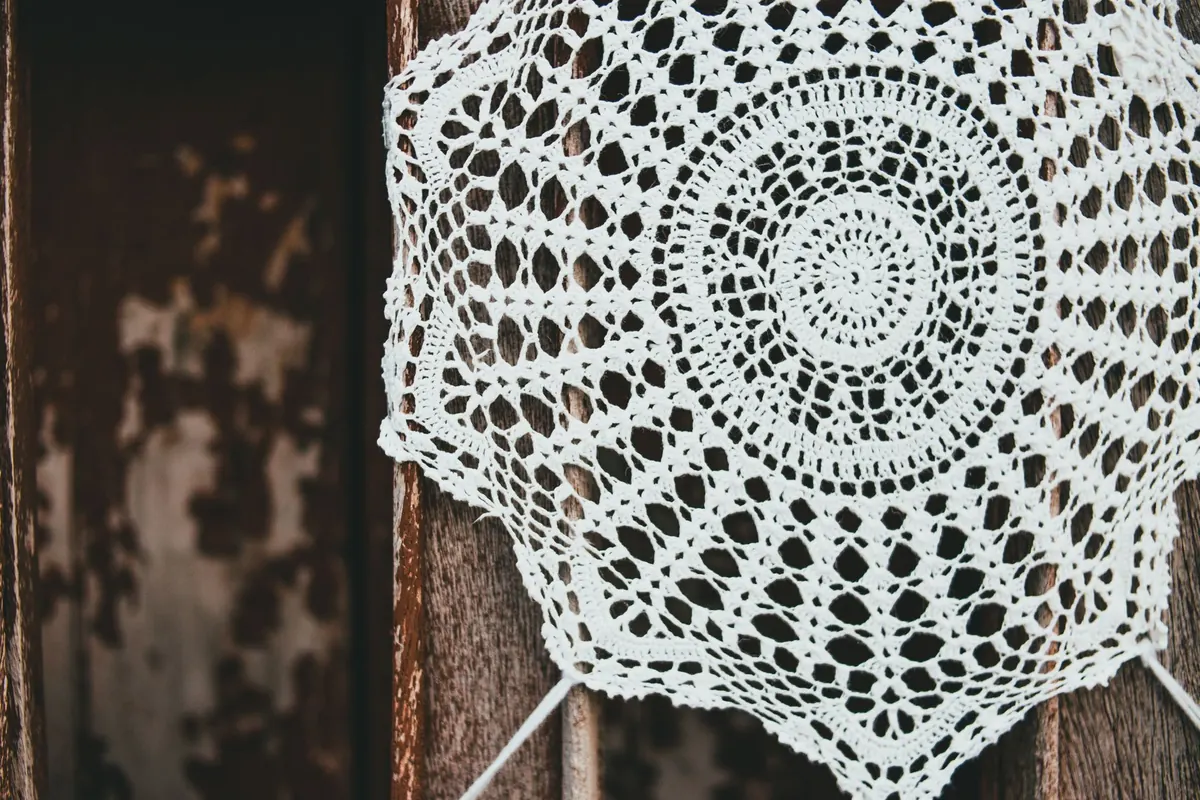
A folded linen tablecloth from the 1950s. A silk scarf with a hand-rolled hem. A wool tapestry that has hung in the same hallway for two generations. Old textiles carry their history in the weave, and they are usually far dirtier than they look — dust sits deep in the fibres, and fifty years of handling leaves a grimy patina that no amount of airing will shift. They are also more fragile than they feel. The good news is that most vintage fabric can be improved safely, provided you work in stages and know when to stop.
Identify the fibre first
The biggest mistake is treating every old textile as if it were sturdy cotton. Fibres age differently, and some will be ruined by a single bucket of the wrong thing.
- Cotton and linen — plant fibres, the toughest of the group. They tolerate cool hand washing well, though old linen can develop weak spots along fold lines.
- Silk and wool — protein fibres. Hot water, alkaline soaps, biological detergents and bleach are all damaging. Wool felts if it is agitated while warm; old silk can shatter along its weighted areas.
- Rayon, viscose and acetate — weak when wet. If a garment is made from one of these, spot cleaning or professional dry cleaning is usually the safer route.
- Mixed or unknown fibres — assume the most delicate component and treat the whole item accordingly.
If you genuinely cannot tell what you are holding, clean a hidden area only: an inside seam, the underside of a hem, the back of a cushion cover.
Test every colour before anything gets wet
Dyes from the early twentieth century are often fugitive, and some reds, greens and deep blues will bleed at the first hint of moisture. Dampen a white cotton bud or a corner of white kitchen paper, press it firmly on an inconspicuous part of the pattern, and wait. If any colour transfers, do not wash the item. Dry cleaning, spot treatment or a conservator are your options.
Do the same test with your chosen cleaning product on a small area, then leave it to dry completely. Some damage — dye migration, ring marks, stiffness — only appears once the fabric is dry.
Start dry: the steps that do most of the work
Before water is involved at all, you can remove a surprising amount of grime. Lay the textile flat and brush it gently with a soft brush in one direction, working from the centre outwards. For anything dusty, place a piece of fine mesh over the surface and run a vacuum cleaner on its lowest setting across the mesh, holding the nozzle slightly above the fabric rather than pressing down.
Air the item outdoors in the shade for a few hours — not in bright sun, which fades dyes quickly. This alone lifts stale odours. Do not shake fragile pieces sharply, and never hang a heavy wet or dusty textile by one corner.
Hand washing, step by step
- Fill a clean basin or bath with cool water and a mild, pH-neutral detergent or pure soap flakes. No biological washing powder, no fabric conditioner, no bleach, no stain-remover sprays.
- Check the temperature with your wrist. Lukewarm at the very most; for anything with protein stains or unknown dyes, keep it cold.
- Lower the textile in and let it sink on its own. Never pour water directly onto old fabric.
- Press the water gently through the fibres with flat hands. No rubbing, scrubbing, wringing or twisting. Five to ten minutes is plenty.
- Rinse in clean water at the same temperature. Sudden changes shock fibres and set creases that are hard to remove later.
- Support the whole item with both hands, or lift it on a towel, so the weight of the water does not pull the weave apart.
If the water turns noticeably coloured, stop, rinse thoroughly and reassess. A little cloudiness is normal; a strong dye release is a warning.
When water is not the answer
Spot cleaning is the right approach for beaded work, metallic threads, painted surfaces, fragile lace and any silk you are unsure about. Work from the edge of the mark inwards with a barely damp cloth, using distilled water if your tap water is hard. Blot — do not rub — and dry with cool air.
Drying and reshaping
Dry flat. Lay the textile on clean towels or a mesh drying rack, reshape it while damp, and change the towels as they soak up water. Keep it away from radiators, direct sunlight and tumble dryers. Never peg a vintage textile to a line; the weight of the fabric will distort it.
Press only once the item is completely dry, on the reverse, with a low setting and a clean cloth between iron and fabric. Silk and wool need the lowest heat of all.
Stains to leave alone
Rust, ink, mildew and old perspiration marks are the ones that most often end in tears. Rust spreads and weakens fibres; the old lemon-juice-and-salt trick is acidic and does more harm than good. Mildew should be brushed outdoors, gently, while you wear a mask so you are not breathing in spores — and if it is widespread, isolate the item and get advice rather than attempting a wash. Household bleach has no place near vintage textiles, whatever the label suggests.
Store it properly once it is clean
Cleaning is only half the job. Wrap folded textiles in acid-free tissue, pad the creases, and box them somewhere dark, dry and cool. Avoid plastic bags and vacuum-sealed storage, which trap moisture. Refold along different lines every year or so to prevent permanent creases, and never hang heavy beaded garments from thin shoulder seams.
Put items away clean. Food residue, sweat and skin oils are what insects are actually looking for.
When to stop and call in an expert
There is no shame in deciding not to wash something. Wedding dresses, embroidered heirlooms, anything with beading, hand-painted details or a known monetary value belong with a textile conservator, and a good dry cleaner who regularly handles vintage clothing can help with pieces that cannot take water.
Practical rules: if the fabric tears in your hands, if the dye bleeds on testing, if the item smells of mould or chemicals, or if you would be heartbroken to lose it, stop and ask for professional advice before you go any further. If mould is heavy, or you have asthma or a weakened immune system, speak to a healthcare professional as well. Patience costs nothing. A ruined 1930s silk scarf cannot be undone.
Photo: Erik Mclean / Pexels